PolSIR-2
Electron, Rocket Lab
Unknown Pad, Rocket Lab Launch Complex 1, Mahia Peninsula, New Zealand
Launch time
No earlier than
NET June 2027
Current date is a placeholder or rough estimation based on unreliable or interpreted sources.
How sure is this date?
The source gives month precision. Launch plans can change.
Source updated
UpdatedSlip history
No changes since we started tracking on .
- LL2 update
Added launch.
Read the source update
Mission
PolSIR-2 on Electron from Unknown Pad. Launch time, status and recorded date changes from Launch Library 2.
The PoISIR (Polarized Submillimeter Ice-cloud Radiometer) mission will help provide a better understanding of ice clouds that form at high altitudes throughout tropical and subtropical regions. Consisting of two small satellites, both of PoISIR’s 16U CubeSats have a scientific instrument designed to measure a specific spectrum of electromagnetic radiation, which will determine how the amount of ice in tropical clouds rises and falls during the day, as well as how the ice changes connect to larger storms. The instruments also will help determine how ice clouds affect sunlight and heat radiation throughout the day. The pair of CubeSats will fly in orbits separated by several hours to observe the pattern of cloud ice content changes over a day. This information will help researchers make more accurate weather predictions.
- Mission type
- Earth Science
- Orbit
- Low Earth Orbit
Rocket file imagery
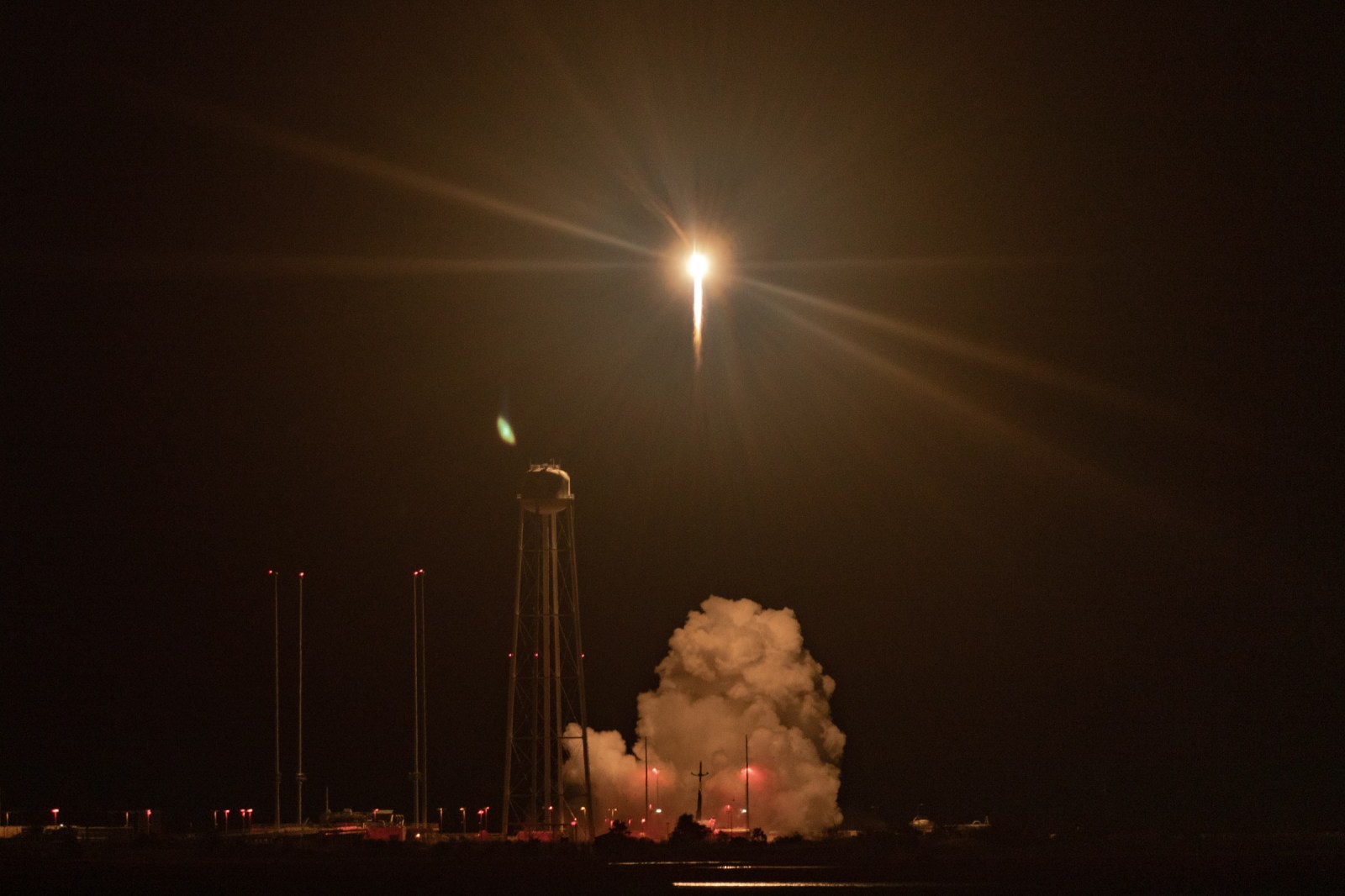
File imagery: Virginia is for Launch Lovers, 24 January 2023. Electron lifting off from Rocket Lab Launch Complex 2 at Wallops.
Credit: NASA/Danielle Johnson · Public domain (NASA) · SourceLaunch timeline
No timeline has been provided by the source.
Launch pad
Unknown Pad
Rocket Lab Launch Complex 1, Mahia Peninsula, New Zealand (NZ)
Coordinates: -39.260881, 177.865826